


Our History in Brief – Highlights of Our Impact Since 1970

A Tradition of Impact, Relevance, and Advancing Transportation Innovation for the Public Good
A former National Aeronautics and Space Administration (NASA) laboratory, the U.S. DOT Volpe Center was established to bring technical capability and a future-oriented outlook to pressing national transportation issues.
From the beginning, Volpe was envisioned as a place where a broad range pf analytical, scientific, and engineering skills could support the newly established U.S. DOT—which quickly expanded in scope as our skills and expertise focused on major issues that cut across the traditional modal structure of the transportation enterprise.
- Housed on the campus of NASA’s former Electronics Research Center, we opened as the “Transportation Systems Center.”
- The U.S. DOT Volpe Center was renamed in 1990 in honor of former Transportation Secretary John A. Volpe. A distinguished civic leader, federal administrator, and public servant, John A. Volpe served as the first FHWA Administrator from 1956 to 1957 and was elected Governor of Massachusetts in 1960. In 1969, Volpe became the second U.S. Secretary of Transportation.
- Since 1970, we have continued to proudly and professionally serv the nation, 10 Presidents, 19 Secretaries of Transportation, their deputies and assistant secretaries, and more than 300 modal administrators.
- Today, the John A. Volpe National Transportation Systems Center objectively addresses the most complex transportation challenges facing transportation and the nation, with specific emphasis on safety, innovation, and efficiency.
In 2023, the U.S. DOT Volpe Center settled into its new home at 220 Binney Street, a state-of-the art building located in the Kendall Square neighborhood of Cambridge, MA, a globally recognized innovation hub where research, technology, innovation, and ingenuity converge, ideas flourish, and big things get done.
Today, the U.S. DOT Volpe Center serves as a federal resource positioned to provide world-renowned, multidisciplinary, multimodal transportation expertise with strong, collaborative working relationships across U.S. DOT’s operating administrations, federal agencies, state and local governments, industry, and academia.
Our Impact: 2020-Present

- Strengthening transportation safety across modes through incident investigations and inspections, evaluation of safety technologies and analysis, and implementation of safety management systems
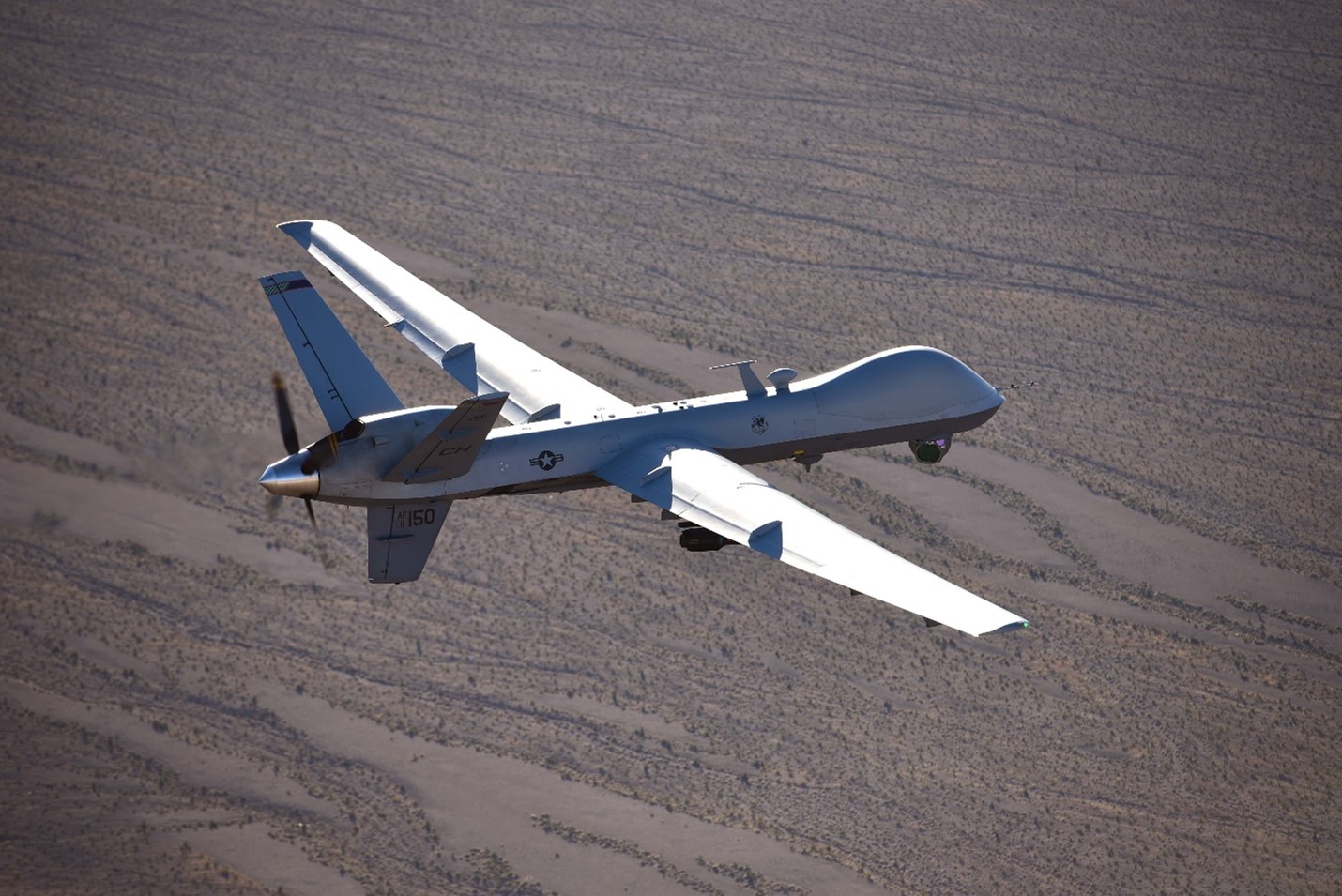
- Advancing the Secretary’s Innovation Agenda and supporting the safe, efficient introduction of emerging technologies into the transportation system, including automated vehicles, connected vehicles, commercial space transportation, unmanned aircraft systems (UAS), counter UAS, advanced air mobility (AAM), and supersonics
- Harnessing artificial intelligence (AI) to solve complex transportation challenges and provide the secure infrastructure and expertise needed to drive safe, scalable, and cost-effective AI solutions across U.S. DOT
- Providing subject matter expertise and leadership to the congressionally mandated U.S. DOT’s Safety Council and the FAA Task Force on Human Factors for Aviation Safety
- Supporting FAA with the modernization of the Nation’s air traffic management system
- Supporting U.S. DOT’s role as the lead for civil Positioning, Navigation, and Timing (PNT) requirements in the U.S. and implementing the Complementary PNT Action Plan to drive adoption of PNT technologies
- Working across U.S. DOT to support National Environmental Policy Act reform to modernize and expedite federal environmental review and permitting processes to deliver transportation infrastructure projects more rapidly and efficiently
- Supporting implementation of the Presidential Executive Order on Restoring Maritime Dominance to revitalize and rebuild the U.S. domestic maritime industries and workforce and enhancing maritime domain awareness in waterways worldwide
- Identifying weak spots in our supply chains through freight corridor analysis to help decision makers prioritize investments
- Supporting demand forecasting and cost benefit analysis for national/international roadway and aviation fuel efficiency standards
- Assessing strategies supporting travelers with disabilities to ensure safe accommodation and an accessible transportation system
- Reducing cyber risk by crafting standards, tools, training, and analysis products that help builders, buyers, and operators make informed decisions
Our Impact: 2010-2020
- Advancing high-speed aviation and informing potential changes to supersonic flight regulation
- Providing infrastructure and automated vehicle policy support
- Enhancing the environmental review and permitting process
- Assisting in the design and development of the technology for transmitting electronic logging device motor carrier data to safety officials
- Advancing safe integration of new entrants into the National Airspace System
- Advancing data sharing across the aviation community through the System Wide Information Management system
- Conducting Global Positioning System (GPS) adjacent band compatibility assessments
- Supporting deployment of the Strategic Highway Research Program and its products
- Developing a first-ever National Long Range Transportation Plan for National Park Service
- Supporting implementation of the Infrastructure Investment and Jobs Act across all modes
- Performing analysis to inform the development and implementation of the National Roadway Safety Strategy
- Providing analytical support to FAA’s Sustainable Tower Design Initiative, enabling the cost-efficient and rapid deployment of these towers nationwide
- Identifying transportation supply chain vulnerabilities and recommending potential policy responses to strengthen the resilience of the freight system
- Contributing technical expertise to the nationwide development of electric vehicle charging corridors
- Supporting development of a report to Congress on opportunities for maritime highway transportation
- Improving resilience and fostering responsible use of PNT services
- Supporting efforts related to safety, infrastructure, security, environmental responsibility, and federal investment in AAM
- Providing multimodal environmental and economic analysis in response to COVID-19 pandemic recovery
- Building aviation safety oversight systems to enable FAA to focus on areas of greatest potential risk
- Providing safety management and human factors expertise to the FAA Boeing 737 MAX Technical Advisory Board
- Engaging industry and providing engineering and data collection support to the Freight Logistics Optimization Works (FLOW) public-private partnership
Our Impact: 2000-2010

- Supporting U.S. DOT’s response to the September 11 attacks
- Performing groundbreaking research and analysis on GPS vulnerability
- Supporting installation of a communications-based train control system in Iraq
- Expanding the multinational maritime situational awareness network
- Designing and deploying a landmark Automatic Identification System-based data network on the St. Lawrence Seaway
- Strengthening analysis of federal motor carrier safety program
- Synthesizing data and information related to Electronic On-Board Recorders for reporting hours of service
- Assessing U.S. Postal Service’s Alaska hovercraft demonstration project
- Supporting Intelligent Transportation Systems programs
- Contributing to Transportation Vision 2030
- Advancing motor vehicle crash avoidance research
- Providing safety management support to the NASA Columbia Accident Investigation Board
- Supporting the Next Generation Air Transportation System program
- Pioneering GPS spectrum interference protection
- Supporting connected and automated vehicle research, evaluation, and planning
- Assessing safety standards relevant to the safety and reliability of automotive electronic control systems
- Supporting high-risk motor carrier prioritization
- Providing analytical and engineering support related to High-Speed Intercity Passenger Rail service
- Bolstering development of the first-ever aviation emissions standard
- Developing a national model to evaluate freight and fuel transport options
- Supporting global disaster relief efforts in Haiti and Japan in the aftermath of devastating earthquakes
- Responding to natural disasters, including Superstorm Sandy
- Advancing safety of crude oil and ethanol by rail initiatives
- Supporting development of Beyond Traffic 2045
Our Impact: 1990-2000

- Supporting development and implementation of the intelligent vehicle highway system program
- Studying the effect of the 65 mph speed limit on highway safety
- Assessing the use and design of flight crew checklists and manuals
- Evaluating the ridership, cost forecasts, and performance of federally funded transit projects
- Supporting DOD’s strategic mobility and logistics priorities
- Conducting a port needs study for U.S. Coast Guard
- Contributing to Moving America: A Statement of National Transportation Policy
- Assessing the crashworthiness of rail passenger equipment
- Developing and installing a real-time communications and navigation system for the Panama Canal
- Laying the foundation for Amtrak’s all-electric Acela high-speed service
- Testing and analyzing commercial vehicle front and side collision warning systems and adaptive cruise control
- Developing the system to calculate aviation’s contribution to global fuel burn and emissions
- Enhancing the integrated model for prediction and analysis of aviation and highway traffic noise
- Implementing an integrated security plan for the U.S. Capitol area
- Contributing to a surface transportation vulnerability assessment
- Undertaking major environmental remediation at U.S. DOT and Superfund sites
- Playing a central role to DOD’s Cooperative Threat Reduction Program, focused on preventing the proliferation of weapons of mass destruction
- Supporting development of U.S. DOT’s policy architecture for transportation decision-making
- Supporting the White House National Science and Technology Council’s transportation initiatives
Our Impact: 1980-1990

- Studying the impact of energy trends on the automobile industry
- Contributing to the financial analysis of the motor vehicle industry
- Developing the first-ever U.S. DOT-DOD Federal Radionavigation Plan
- Evaluating airport ground access capacity at commercial airports
- Assessing fire safety in a transportation setting
- Conducting noise assessments of transportation systems
- Analyzing ridership levels of the Morgantown Personal Rapid Transit System
- Deploying groundbreaking air traffic management concepts, including the Enhanced Traffic Management System
- Assessing the capability of GPS to meet civil navigation requirements
- Examining transportation security issues and countermeasures
- Creating an assessment tool to evaluate the safety record of air carriers—both military and commercial
- Contributing to an aviation human factors research plan
- Assessing prospective safety hazards associated with commercial space launch activities
- Studying the influence of advanced communications on the future of transportation
- Exploring public-private partnerships for urban transportation
- Studying rail integrity and the behavior of propagating fatigue cracks
- Examining the implications of stalling on motor vehicle safety
- Evaluating the effects of mandatory seatbelt use laws on safety
Our Impact: 1970-1980

- Developing anti-hijacking aviation security screening systems
- Simulating national air traffic flow
- Examining constraints and required characteristics for anticipatory sensing of impending automobile crashes
- Providing first-ever acoustic measurements of a civil supersonic jet (Concorde), which informs current technical and policy advancements
- Pioneering the use of alcohol breath analysis for transportation safety
- Examining the control and information system and operational requirements for the St. Lawrence Seaway
- Supporting introduction of advanced urban transit technologies
- Conducting the first federal study on automated fare collection
- Examining highway-rail grade crossing protection in high-density corridors
- Informing the first Corporate Average Fuel Economy standard
- Testing wake vortex sensing systems at major U.S. airports
- Conducting engineering tests and demonstrations of rail rapid transit vehicle technology
- Exploring the potential for flexicab services and innovative uses of taxis and jitneys for public transport
- Informing National Transportation Trends and Choices to the Year 2000
- Analyzing the effects of year-round Daylight Savings Time in reports to Congress